
Industrial shredder blades play an important role in the efficiency and performance of shredding equipment in areas such as recycling and waste management, so it is critical that shredder blades are properly maintained. By implementing regular care and maintenance measures, you can extend the life of your shredder blades, optimize operational efficiency and reduce overall costs.
Understanding Industrial Shredder Blades
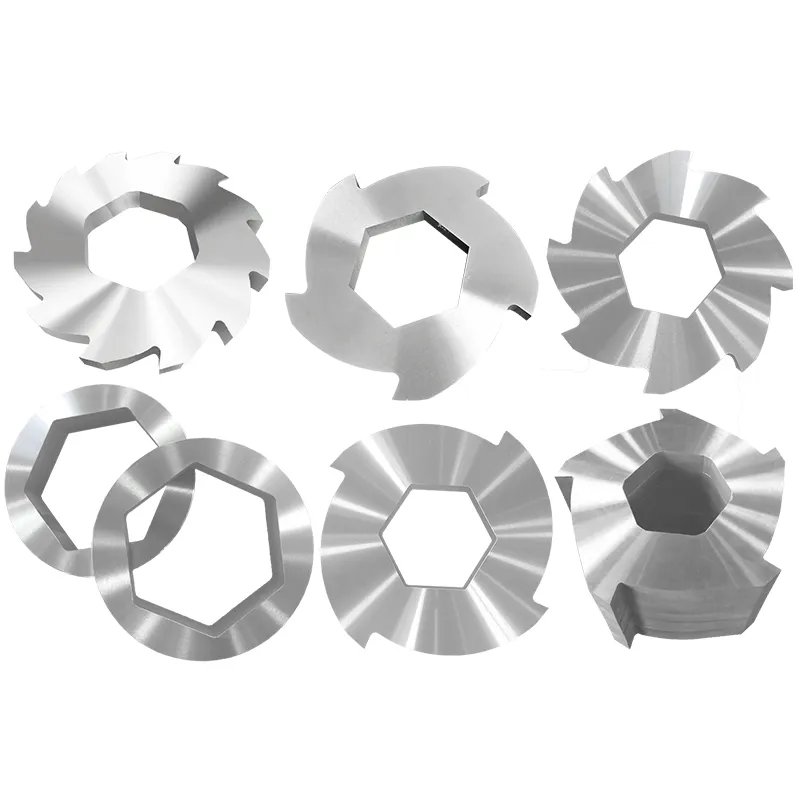
Shredder blades come in various types, each tailored to specific applications:
- Single-Shaft Blades: Designed for uniform cutting, commonly used in recycling and material processing.

- Double-Shaft Blades: Ideal for heavy-duty shredding and handling bulky materials.

- Granulator Blades: Known for precision cutting, often used in plastics and rubber industries.
The materials used in shredder blades, such as tool steel or hardened alloys, dictate their durability and maintenance needs. For instance, blades made of high-carbon steel require regular lubrication to prevent rust, while tungsten-carbide-coated blades demand careful sharpening techniques to preserve their edge.
Regular Inspection of Industrial Shredder Blades
Routine inspections are the foundation of blade care. Here’s what to look for:
- Frequency: Conduct inspections weekly or after every 20 hours of use, depending on the workload.
- Key Checks: Examine blade sharpness, signs of wear, cracks, and uneven edges.
- Tools and Methods: Use calipers for precise measurements and a magnifying glass to detect minor fractures.
A proactive inspection schedule prevents small issues from escalating into costly repairs or replacements.
Cleaning Procedures
Clean shredder blades regularly to remove debris and residues that can compromise performance.
- Recommended Cleaning Agents: Use mild solvents, non-abrasive cleaning pads, and compressed air to clear out particles.
- Methods: Disassemble the blades if possible and clean thoroughly to ensure all buildup is removed.
- Common Mistakes to Avoid: Never use acidic cleaners or high-pressure water, as these can cause corrosion or misalignment.
Sharpening and Reconditioning
Sharp blades are key to consistent shredding performance. Pay attention to the following:
- Signs for Sharpening: Reduced shredding efficiency, uneven cuts, or visible dullness on the blade edge.
- Techniques:
- Manual Sharpening: Use whetstones or files for minor touch-ups.
- Professional Services: For heavily worn blades, professional grinding services can restore precision.
- Reconditioning vs. Replacement: When blades show excessive wear or are beyond sharpening, reconditioning or replacing them ensures safety and performance.
Lubrication and Adjustment
Proper lubrication prevents friction, reduces wear, and ensures smooth operation.
- Recommended Lubricants: Use industrial-grade lubricants designed for high-speed machinery.
- Application Methods: Apply a thin layer evenly across the blade surface and moving parts.
- Adjustment: Regularly check and align blade tension to prevent wobbling and uneven shredding.
Preventive Maintenance
A structured maintenance plan can drastically improve the life span of shredder blades.
- Scheduling Tasks: Create a monthly or quarterly maintenance checklist that includes inspection, cleaning, sharpening, and lubrication.
- Staff Training: Ensure operators are trained in proper blade handling and care to minimize accidental damage.
- Maintenance Logs: Maintain a detailed log of maintenance activities to track performance and anticipate replacement needs.
Handling and Storage
Improper handling and storage can lead to unnecessary blade damage. Follow these guidelines:
- Handling: Always wear protective gloves and use designated tools to avoid accidental nicks or misalignment.
- Storage: Store blades in a clean, dry environment, preferably in protective casings or mounted racks to prevent corrosion or physical damage.
Troubleshooting Common Issues
Even with regular care, shredder blades can encounter issues such as jamming or uneven shredding. Here’s how to troubleshoot:
- Common Problems:
- Jamming: Clear the blockage and inspect for underlying causes, such as dull blades.
- Uneven Shredding: Check blade alignment and sharpness.
- Diagnostic Steps: Perform a test run after adjustments to ensure the issue is resolved.
Conclusion
Regular cleaning, sharpening and inspection of industrial shredder blades can not only improve the performance of the machine, but also reduce operating costs by extending blade life and minimizing downtime.
If you have questions about how to maintain shredder blades or want to buy high-quality shredder blades, you are welcome to visit our website or contact us at 0086 15212349604. We look forward to cooperating with you!