Plastic shredder blades are critical components in the recycling and waste management industry, enabling efficient size reduction of plastic materials. However, with prolonged use, these blades inevitably experience wear and damage, leading to reduced efficiency, increased operating costs, and even frequent equipment downtime. To extend blade lifespan and improve shredding performance, it is essential to understand the primary causes of wear and implement appropriate preventive measures.
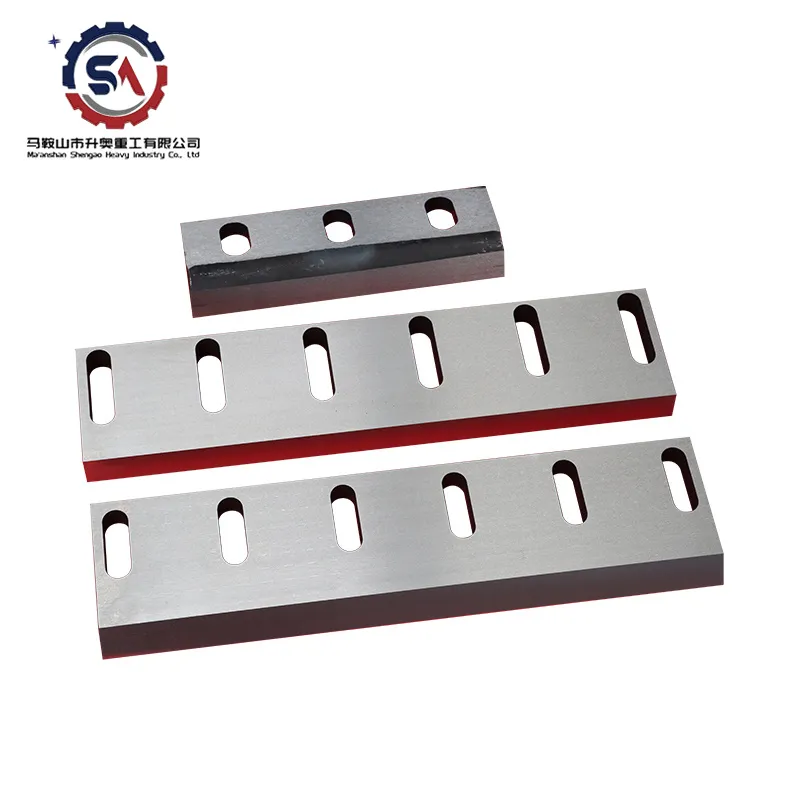
Common Causes of Wear and Damage in Plastic Shredder Blades
1. Abrasive Contaminants in the Plastic Feedstock
One of the primary reasons for accelerated blade wear is the presence of contaminants such as sand, metal particles, and glass mixed in with plastic waste. These hard materials erode the cutting edges, making the blades dull and reducing shredding efficiency.
Prevention:
- Pre-sorting and screening plastic materials before shredding.
- Installing magnetic separators to remove metal contaminants.
- Using washing systems to clean plastic waste before processing.
2. Poor Blade Material Selection
Different plastic types require different blade materials. Using low-quality steel or the wrong blade composition for the material being shredded can result in premature wear or breakage.
Prevention:
- Choose high-grade materials such as D2 steel, carbide-coated blades, or high-speed steel (HSS) for better durability.
- Consider heat-treated and wear-resistant coatings for extended blade life.

3. Incorrect Blade Design and Geometry
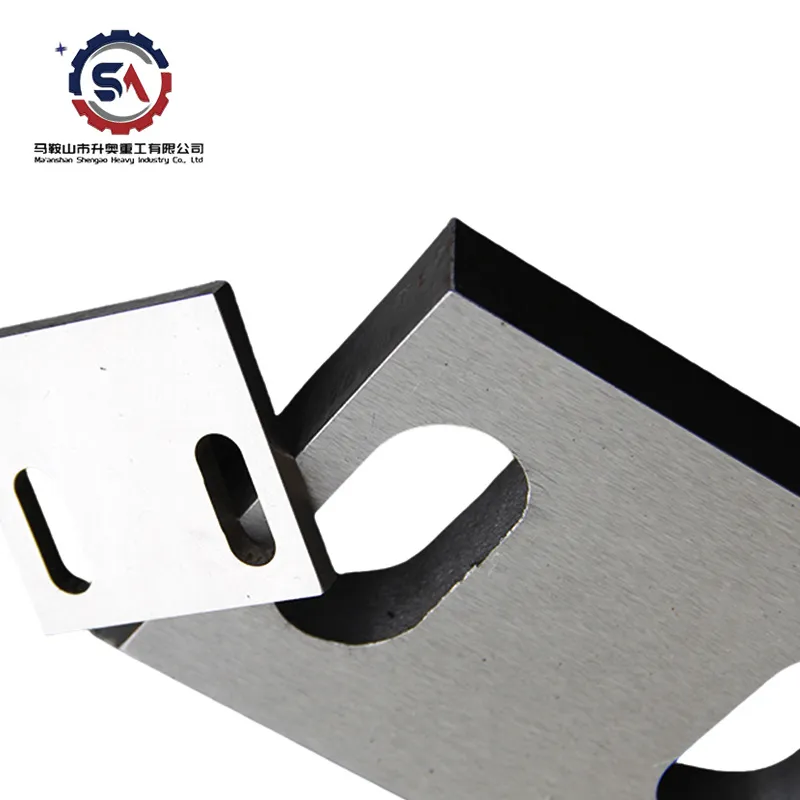
The shape, angle, and configuration of shredder blades play a crucial role in cutting performance. Improper blade geometry can cause inefficient shredding, leading to excessive heat buildup and rapid wear.
Prevention:
- Use blade designs optimized for the specific type of plastic being shredded.
- Consult with blade manufacturers to select the best cutting edge angles and tooth configurations.
4. Excessive Heat and Friction
Continuous high-speed shredding generates heat, which can cause blade deformation and loss of cutting sharpness. Overheating may also lead to material sticking to the blade surface, further reducing efficiency.
Prevention:
- Maintain proper cooling systems, such as water or air cooling, to dissipate heat.
- Use lubricants or coatings to reduce friction and wear.
- Optimize shredder settings, such as speed and pressure, to prevent unnecessary heat buildup.
5. Lack of Proper Maintenance and Sharpening
Neglecting regular maintenance leads to dull and inefficient blades, causing excessive strain on the shredder motor and other components. Over time, this results in higher energy consumption and poor shredding performance.
Prevention:
- Implement a routine maintenance schedule for blade inspection and sharpening.
- Use precision grinding techniques to restore sharpness without compromising blade integrity.
- Replace blades before they become too worn, preventing damage to the shredder.
6. Overloading and Inconsistent Feed Rate
Feeding too much material at once or using irregular feed rates can put stress on the blades, leading to chipping, cracking, or uneven wear.
Prevention:
- Maintain a consistent feed rate and avoid overloading the shredder.
- Use automated feeding systems for controlled and even material input.
- Adjust shredder settings according to the plastic type and thickness.
7. Corrosion and Chemical Exposure
Certain plastics, especially those containing chemicals, can cause corrosion and weakening of shredder blades over time.
Prevention:
- Use corrosion-resistant materials or coatings for shredder blades.
- Clean blades regularly to remove chemical residues and prevent oxidation.
Conclusion
Preventing plastic shredder blade wear and damage requires a combination of proper material selection, blade design, routine maintenance, and optimized shredder operation. Correct and effective maintenance can improve shredding efficiency, reduce downtime, and extend the life of shredder blades, ultimately reducing operating costs.
Do you need more advice on plastic shredder blade maintenance techniques or manufacturer selection? You are welcome to contact our professional plastic shredder blade expert Jack@www.shenaozg.com at any time.